Buying a New Mazda3 Sedan Near Summerville


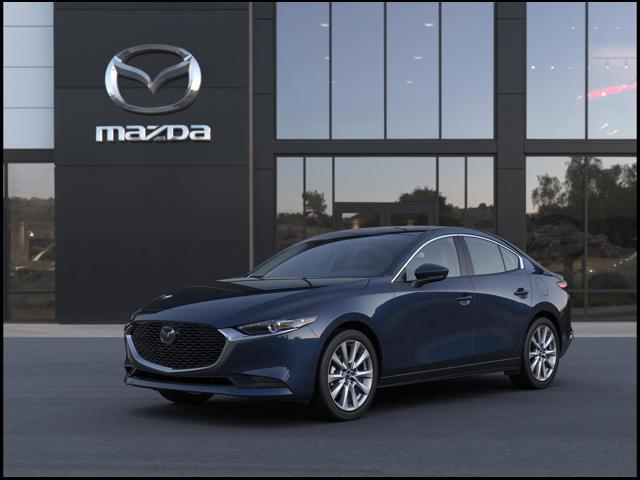


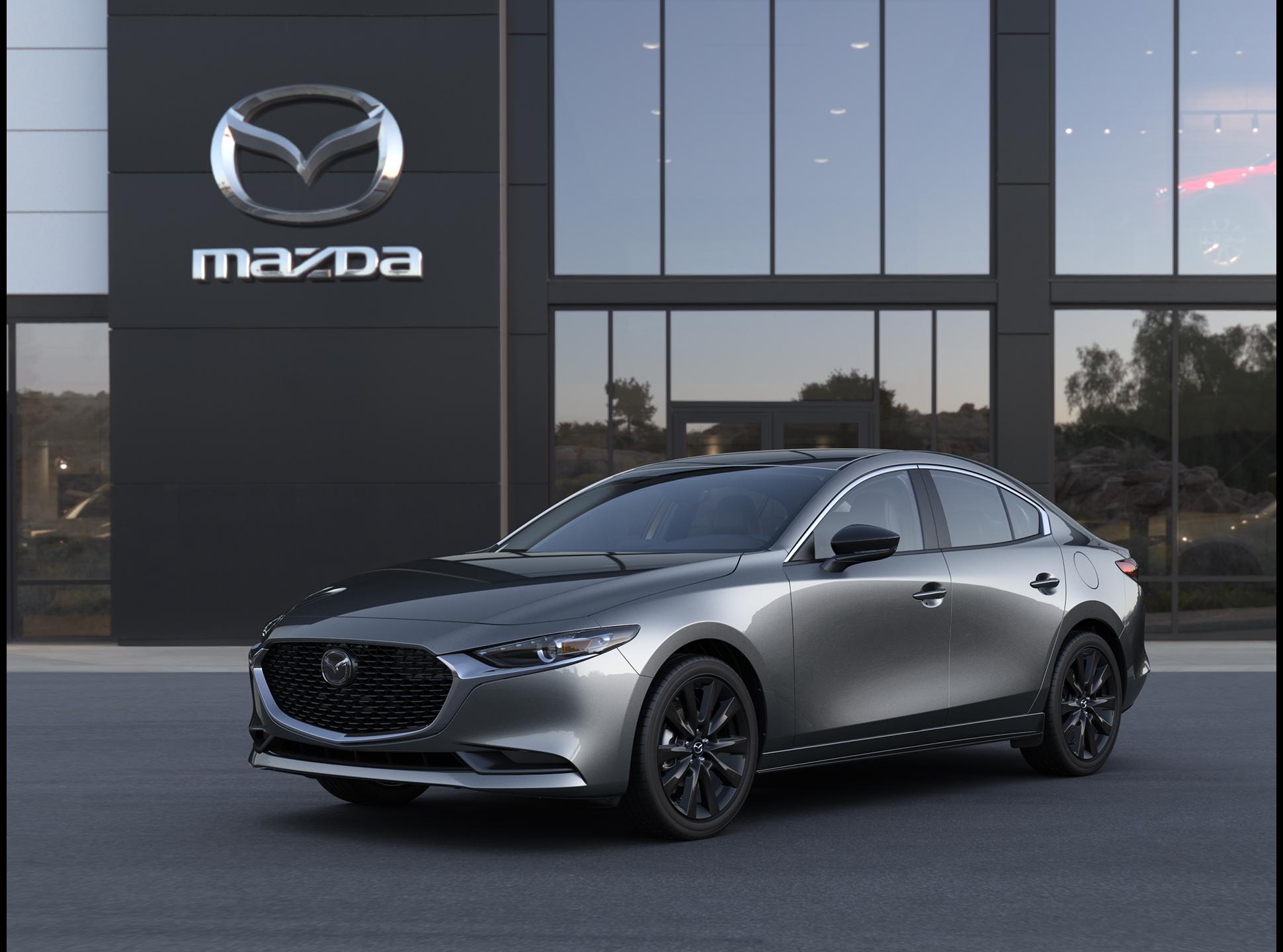
Frequently Asked Questions About the Mazda3 Sedan near Summerville, SC
Why choose the sedan over the hatchback?
A separate trunk shuts your belongings away from view and away from the cabin, which counts if you leave things in the car or travel with a dog. You also get slightly more headroom in the back and a quieter cabin, since the luggage area is sealed off. What you give up is the ability to carry tall objects. For a great many drivers that is a limitation they will never once run into.
Is the trunk big enough for a family?
For luggage, groceries, and sports gear it handles a family of four without complaint. It struggles with anything tall or awkwardly shaped, since the aperture is fixed and no amount of folding alters it. Bring your largest case and try it. A trunk opening turns away cases that the published volume says should slide straight in.
Does it drive differently from the hatchback?
The differences are small and mostly about noise. A sealed trunk keeps road noise from the rear tires out of the cabin, so the sedan is the quieter of the two over distance. Everything about how it steers and rides carries across. The two bodies share their whole character, which is why this decision is genuinely about the back half.
Which equipment is actually worth having on a commuter car?
Adaptive cruise, a good seat, and decent audio, roughly in that order, because those are what you use every single day. Larger wheels and cosmetic packages look appealing and change very little about a daily drive. Spend the money where your hands and back are. Wheels and paint are admired on the first day and rarely thought about afterward.
How does it hold up over several years?
Well, and the cabin is the part that surprises people. Surfaces picked for how they feel under a hand, not for how they render in a photograph, tend to age gracefully, and the switchgear stays exactly where you left it. A car you still like sitting in after four years is worth more than one you do not. That is the least measurable part of the decision and quite often the part that matters most.
Have Additional Questions?
Sedan buyers generally arrive decided and are verifying one detail before they commit.
Name the detail and the answer comes back specific instead of generally reassuring.
If the hatchback would suit you better, Stokes Mazda will say so before you sign anything.
Why a Separate Trunk Still Wins for Some Buyers
The hatchback takes most of the attention, and a sealed trunk quietly solves problems an open cargo area leaves alone. Belongings stay hidden, which counts for far more to anybody parking in public with things left aboard.
It also keeps the cabin separate. Smells, noise, and a dog that would otherwise be in the same space with you all stay behind a bulkhead, and that is a genuine argument rather than a technicality. Anybody who has carried a wet dog home in a hatchback recognizes the appeal straight away.
- A sealed trunk keeps belongings out of sight, which counts for a great deal to anybody who parks in public and leaves things in the car
- Keeping the luggage area separate from the cabin means noise and smells stay where they are, which pet owners tend to notice within the first week of ownership
- The sedan gives up tall objects entirely, and no amount of folding the seats down alters the shape of a trunk opening that was fixed the day it was built
What you surrender is the tall object. A fixed opening cannot be reshaped by folding anything, so the flat pack furniture run is a hatchback job and always will be. Working out how often that run genuinely comes up is the whole of this decision.
Ask yourself how often you carry something tall. That answer alone decides between these two bodies for most buyers. Everything else about the pair is genuinely interchangeable.
Sedan or Hatchback, Decided Honestly
Both cars are mechanically the same underneath, so this decision is entirely about the back half and nothing else. That makes it unusually clean once you stop treating it as a matter of taste.
Answer two questions and it resolves. Are you often carrying objects too tall for a trunk, and do you frequently need whatever is aboard kept out of sight?
- Both bodies are identical underneath, so this comes down entirely to the back half of the car and to nothing whatsoever about how either one drives
- Carrying tall objects regularly points at the hatchback while needing belongings out of sight points at the sedan, and remarkably few households genuinely need both of those things at once
- Rear headroom is marginally better under the sedan roofline, which taller passengers register immediately and shorter ones will never once notice in a lifetime of riding back there
Almost nobody genuinely needs both answers to be yes. Working out which of the two describes you more often is the whole exercise, and it takes about a minute of honest thinking. Most people know their answer already and have simply never put the question to themselves directly.
Do not agonize over this one. Two questions settle it and the wrong answer is a mild inconvenience rather than a disaster. Plenty of households have owned both across the years and been content either way.
Equipment That Earns Its Place on a Commuter Car
A car driven every day should be specified around the things you touch every day, and that is a shorter list than an options sheet suggests. The seat, the steering wheel, the climate controls, and whatever helps in traffic.
Adaptive cruise is the clearest example. It turns a heavy stretch of interstate from tiring into tolerable, and anybody covering that distance regularly gets more from it than from any cosmetic package on the list.
- Specify around the things your hands and back touch daily, because that list is a great deal shorter than any options sheet would have you believe
- A head up display keeps your eyes forward on a long drive, and it is the sort of feature people dismiss until they have lived with one
- Ask what the seat adjusts for beyond height and reach, because lumbar support decides your comfort long after the first hour of a drive has passed
Wheel size runs the other way. Larger wheels look sharper and firm up the ride, and on a commute over imperfect surfaces that trade is rarely a good one. Judge it on a drive over a surface you already know rather than on a photograph of the wheel.
Spend on the seat and the assistance features before the appearance packages. The commute is what you bought the car for. Appearance packages are enjoyed on the day of delivery and rarely thought about again.
The Cost of Running One Over Years
A commuter car gets judged across years and not on the afternoon you buy it, and running costs are where something cheap quietly turns expensive. Fuel, tires, insurance, and scheduled maintenance are the four that matter.
This car does well on all four, which is not glamorous and is the entire point. Ordinary tire sizes at ordinary prices, a modest insurance bracket, and a service schedule with nothing dramatic in it. Four ordinary costs kept ordinary is exactly what a commuter car is supposed to deliver.
- Ask when the first substantial service falls due, since that single appointment is comfortably the largest predictable expense of the first few years of ownership
- Check whether it carries a full size spare or a repair kit, because that answer matters a great deal on a rural road at an awkward hour
- Call your own insurer with the specific car in mind, since brackets vary more between similar looking sedans than almost any buyer expects them to before they ask
Resale is the fifth factor and the one people forget. A car that holds its value returns part of the purchase price at the far end, which changes the arithmetic more than a small difference in fuel consumption ever will.
Work out the yearly figure rather than the monthly one. Running costs are where the real comparison between two cars actually happens. A difference that looks trivial monthly becomes substantial across an ownership.
Sedan Life on the Summerville Commute
A great many people here work somewhere other than Summerville, and the drive is steady rather than difficult. That pattern rewards comfort, quietness, and low running costs above everything else a car might offer.
Traffic building toward Ladson in the morning is the wearing part of the week. Crawling along is unkind to fuel and to patience alike, and a light car with decent assistance features copes with it far better.
- A steady predictable drive to somewhere outside town rewards comfort and running costs far ahead of anything a taller and heavier vehicle would add to the equation
- Ask how the car behaves in the rain, because standing water is a routine feature of a Lowcountry commute and tires decide most of that
- Households out around Nexton cover more weekly distance than they would guess, which quietly raises how much the running costs end up mattering across a year
The other half of the week is short and local. School, groceries, and a run into the old part of town are all brief, and a compact sedan parks in places a larger vehicle has to think about. That mixture of long and short is what makes this size sensible rather than a compromise.
Add up a genuine week before choosing anything larger. The number usually argues for this size more strongly than people expect. Households reliably underestimate how far they drive in a week.
Drive one from Stokes Mazda on your own commute, put your largest case in the trunk, and let those two tests decide it.