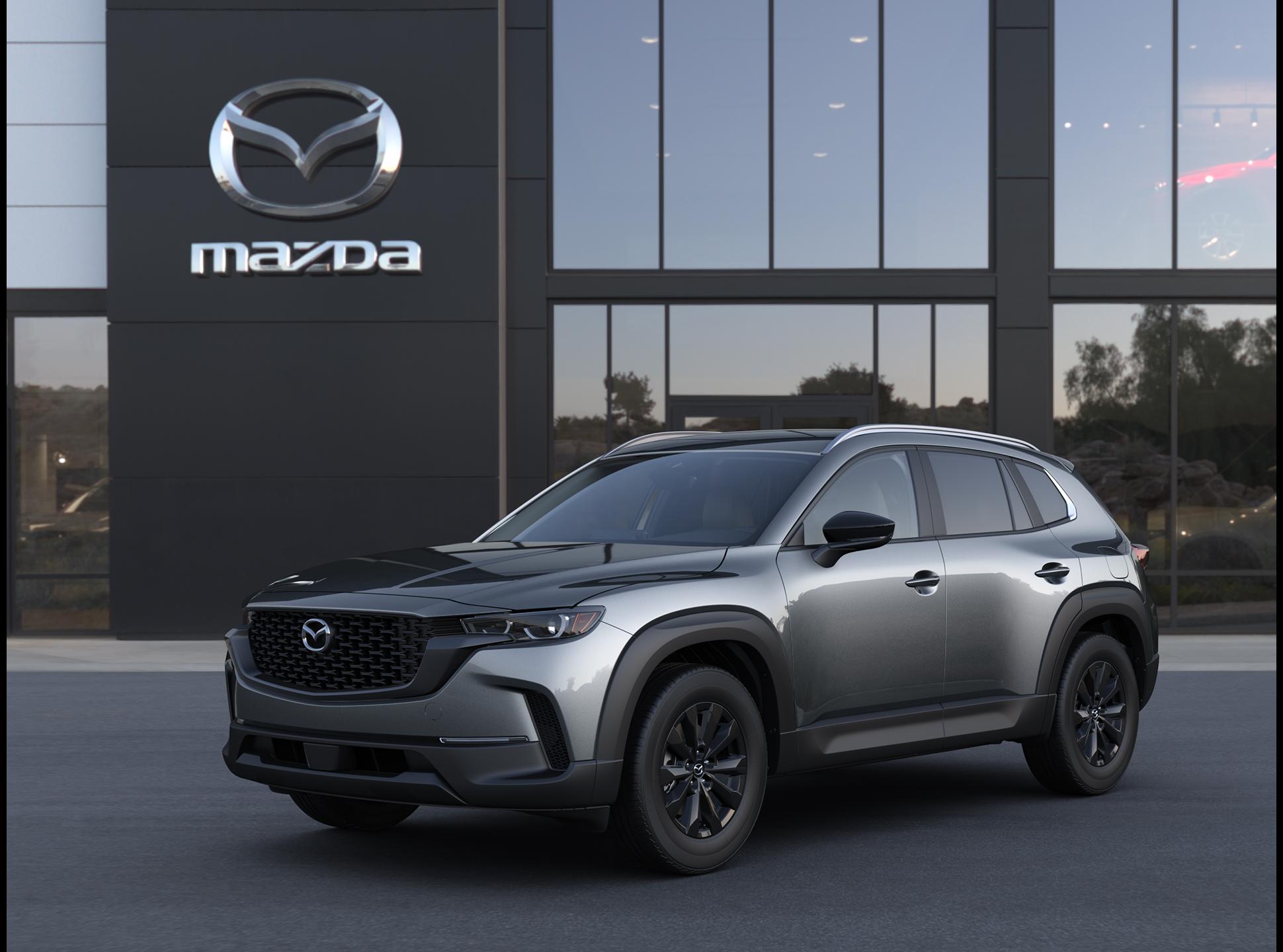
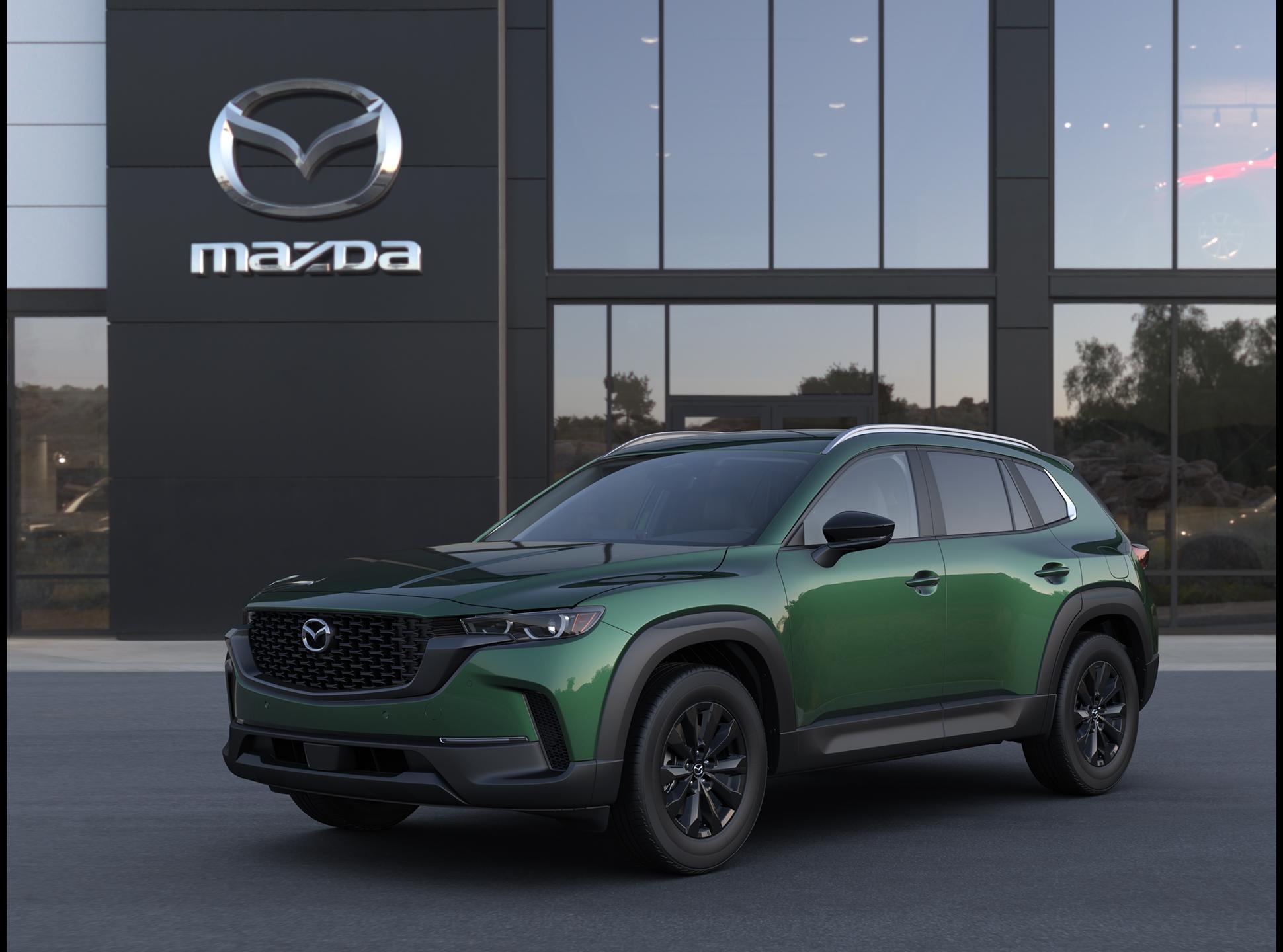
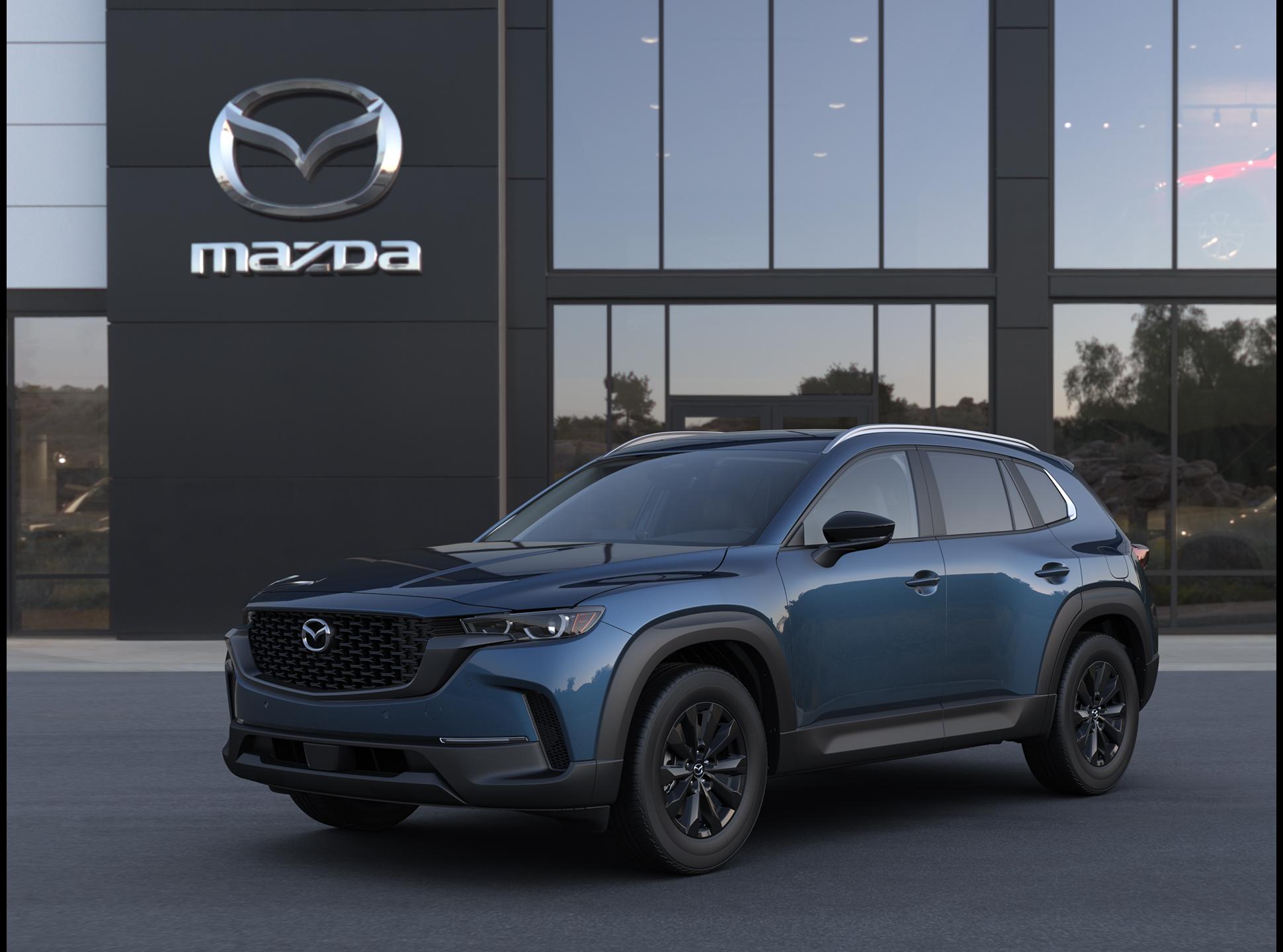
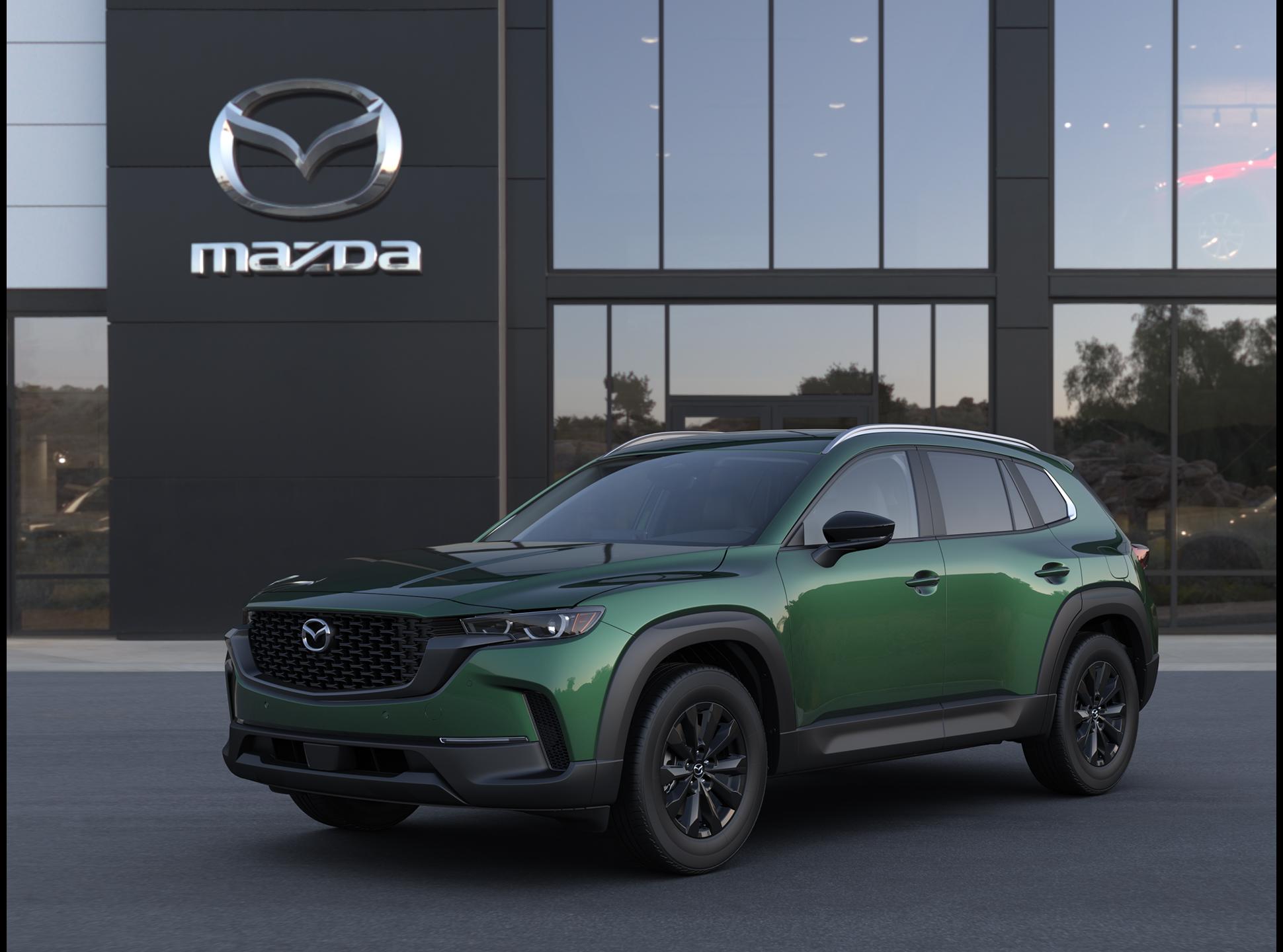

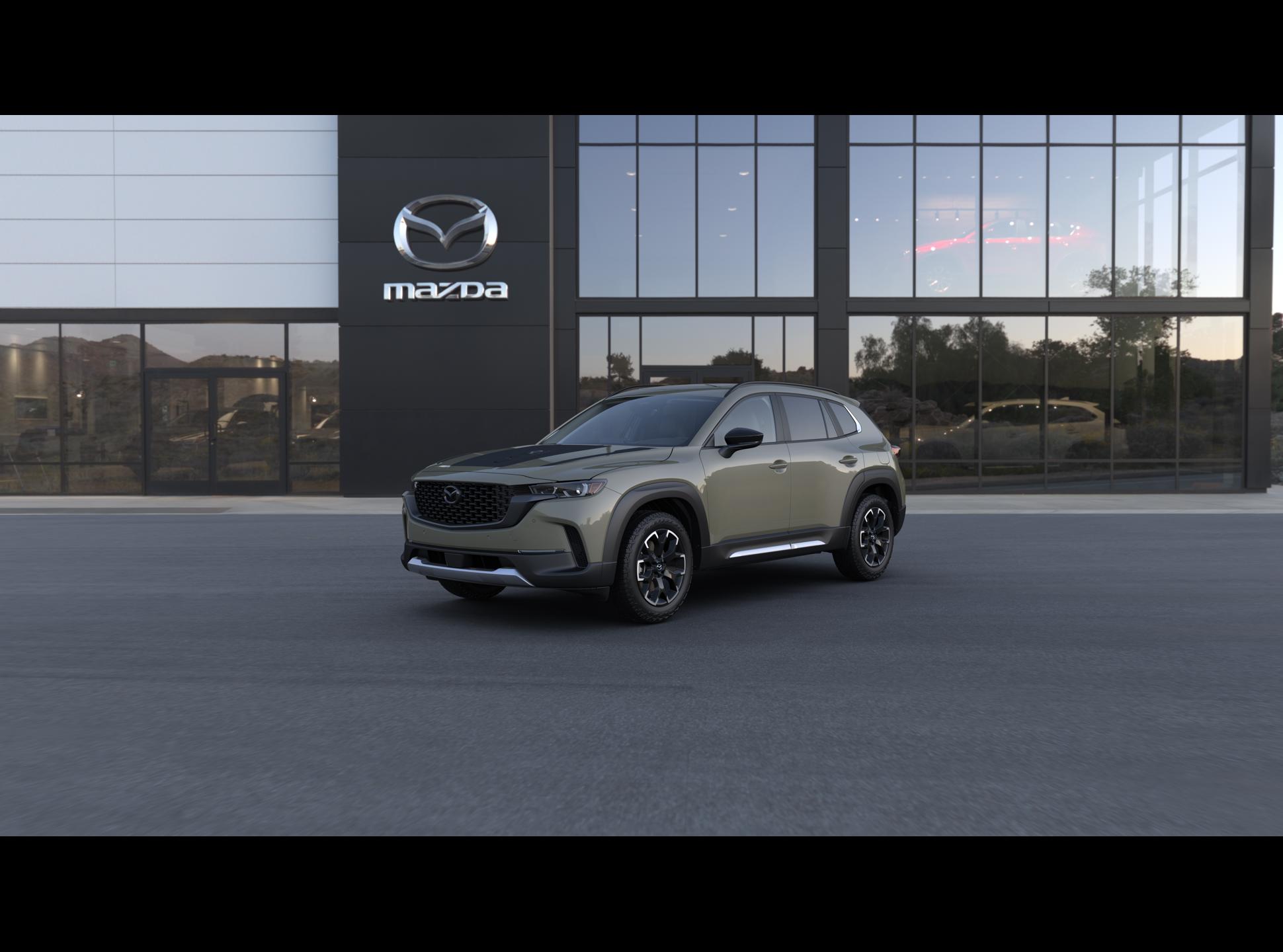
Frequently Asked Questions About Mazda CX-50 Lease Deals near Summerville, SC
Can I lease something I plan to take off pavement?
Yes, and it wants a franker conversation than most lease discussions get. Mud, sand, scratches from branches, and a cargo area carrying wet gear are all foreseeable, so the sensible move is protecting against them from day one. None of it argues against leasing the vehicle. It argues for being straightforward about how the vehicle will be used before anything gets signed.
Can I fit a roof rack or other accessories?
Generally yes, with the important distinction being between things that bolt on and things that alter the vehicle permanently. Racks, liners, and covers come off again and leave nothing behind. Anything drilled, cut, or wired in is a different matter and needs asking about first. Removable equipment covers what most people actually want, which surprises anybody braced for a flat refusal.
When should I buy this instead of leasing it?
When you intend to keep it a long time, modify it, or cover unusually high distance. Any one of those three pushes the arithmetic toward ownership, and all three together settle it. Expect to hear that said here and not once the paperwork is signed. A store willing to tell you the awkward part early is one you can trust with the rest of it.
What condition does it need to be in when it goes back?
Used, not restored, and the standard is more reasonable than people fear. Ordinary wear from ordinary use is expected, while damage is a separate category. Ask for the specifics before signing so you know exactly what you are working toward. Vague reassurance is the one thing nobody should accept across a desk.
Do off pavement miles cause any particular problem?
Not by themselves, though they do put a few things worth keeping an eye on. Underside cleaning after a muddy weekend, keeping an eye on the tires, and dealing with a stone chip before it spreads all count. None of it is onerous and all of it is cheaper done early. Protection applied at the outset costs a fraction of putting the damage right afterward.
Have Additional Questions?
This model attracts people who intend to use it, which makes for a more useful lease conversation than most.
Describe the surfaces and the gear honestly and nothing about the ending will surprise you.
Where ownership fits your plans better, Stokes Mazda will make that case instead.
Leasing Something You Intend to Use Hard
Most lease conversations assume a vehicle that spends its life on pavement, and this one should not. People choose a CX-50 because of what they intend to do with it, and pretending otherwise helps nobody at either end of the term.
The good news is that nothing about hard use rules out leasing. It changes what you should do at the start rather than whether the arrangement works at all.
- Hard use does not rule out leasing at all, and it does change what any sensible owner does during the first week the vehicle is theirs
- Mud, sand, branch scratches, and a cargo area full of wet gear are entirely foreseeable on this model and not a run of bad luck
- Protecting the surfaces that will take punishment costs very little at the outset and heads off nearly everything that becomes an argument when the vehicle goes back
Protection at the start is the whole trick. A cargo liner, mats that can be hosed off, and film on the areas that catch stones cost little and remove most of what would otherwise be a difficult conversation at the end.
Be plain about the work you have lined up for it. An arrangement built around the truth holds up and one built around a tidier story does not. Nobody at either end of the desk benefits from a flattering description.
Racks, Accessories, and What an Agreement Allows
This is the question that comes up on almost every CX-50 lease, and the answer splits cleanly. Anything that bolts on and comes off again is generally fine, and anything permanent needs discussing before it happens.
Crossbars, a cargo box, mats, liners, and covers all sit in the first category. They attach to fittings designed for them, they remove without trace, and they are exactly what this vehicle was built to carry.
- Anything that bolts to a designed fitting and removes without trace is generally straightforward, which covers very nearly everything people actually want to put on one
- Anything drilled, cut, or wired permanently into the vehicle needs raising with somebody beforehand rather than explaining it after the work has already been carried out
- Fitting accessories at the start means one invoice and one set of workshop notes instead of a straggling trail of separate visits across the following year
The second category is where care is needed. Drilling, cutting, permanent wiring, or anything that cannot be reversed is a conversation to have first, and asking costs nothing.
List what you intend to fit before signing. Everything on that list has an answer and none of them is a surprise if raised early. Fitting the lot at the point of sale usually costs less as well.
When Buying Is the Better Answer
There are cases where ownership is simply the sounder route, and this model produces more of them than most. Anybody keeping a vehicle a long time, modifying it seriously, or covering unusually high distance should be buying.
The reason is straightforward. Every one of those things sits awkwardly against an arrangement built around returning the vehicle in a defined condition after a defined period.
- Long ownership, serious modification, and unusually high distance each push toward buying, and any two of them appearing together make the case about as decisively as it gets
- The years after a loan finishes are where ownership pays, and anybody who reaches that point regularly is not the right candidate for a lease
- Hearing this before the paperwork, and not once it is signed, separates a store worth returning to from one you would only ever use once
It is worth saying that this is not a reluctant admission. Putting somebody into the wrong arrangement costs far more over time than the margin on any single deal, especially somewhere people compare notes with their neighbors.
Ask directly which route suits you and expect a genuine answer. Both are available here and neither one is being pushed. A customer steered correctly is the one who comes back in a few years.
Handing Back a Vehicle That Did Real Work
A vehicle used the way this one is meant to be used comes back looking used, and that outcome is anticipated instead of penalized. Ordinary wear is part of the arrangement and always has been.
What separates a straightforward handback from an awkward one is almost always damage that was left to worsen. Chips dealt with promptly stay small, and the ones ignored across a season turn into something else entirely.
- Wear from ordinary use is anticipated and priced in, so a vehicle that plainly did its job creates no difficulty whatsoever at the point of handback
- A chip dealt with promptly stays a chip while one ignored across a season turns into something considerably more expensive for somebody to resolve
- Photographing the vehicle at the start and again before handback costs nothing at all and settles most disagreements before they have a chance to begin
Keeping the servicing on schedule is the other half. A full service history closes off a whole class of disagreement, and it costs nothing past doing work the vehicle needed anyway.
Deal with things as they happen instead of saving them up. Nobody who works that way has a difficult handback. Small things left alone are what turn into charges at the end of a term.
CX-50 Leasing Around Summerville
This vehicle does well here because Summerville sits close to the sort of country it was built for. Unpaved parking, wet ground after rain, and gear coming home dirtier than it left are ordinary features of a weekend here, not unusual events.
The back roads out toward Ridgeville and the country along the upper reaches of the Ashley are within an easy morning. That proximity is a large part of why people around here choose this model over the smoother alternative.
- Washing the underside after a muddy weekend is a short job that heads off exactly the sort of corrosion nobody notices until it is time to hand the vehicle back
- Stone chips are the most common cosmetic damage on a vehicle used this way, and film along the leading edges is cheap insurance against them
- An outing in the direction of Middleton Place asks nothing difficult of a driver, and it is exactly the sort of trip this vehicle was arranged around
None of that changes whether a lease suits you. It does mean the conversation should start from what you actually intend to do rather than from a generic picture of a compact SUV on a commute.
Describe the weekends rather than the weekdays. On this model the weekends are what decide how the arrangement should be built. A commuter description of this vehicle misses the whole reason people buy one.
Tell Stokes Mazda what the vehicle will actually be doing, and the arrangement gets built around that instead of around an assumption.