



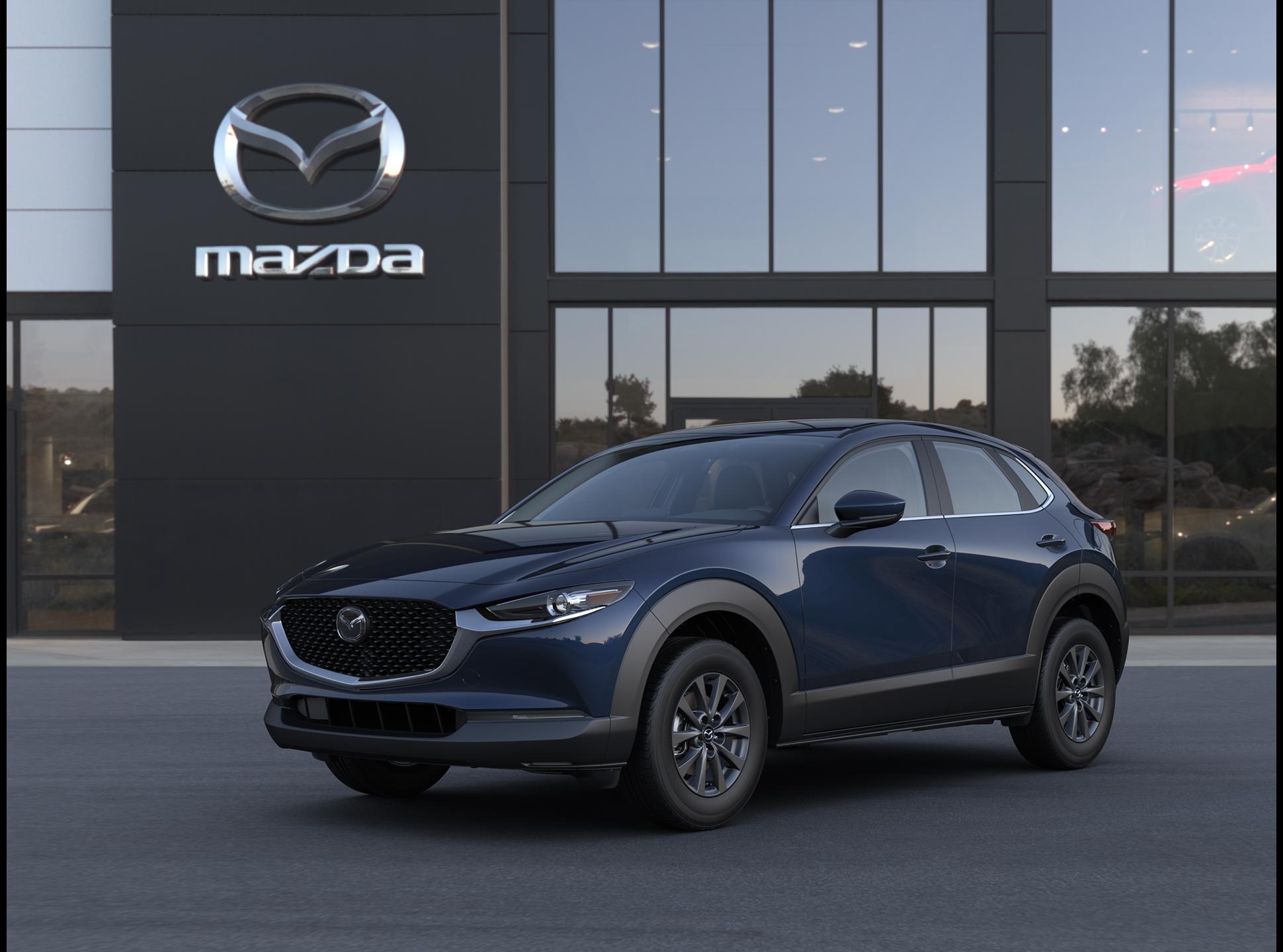
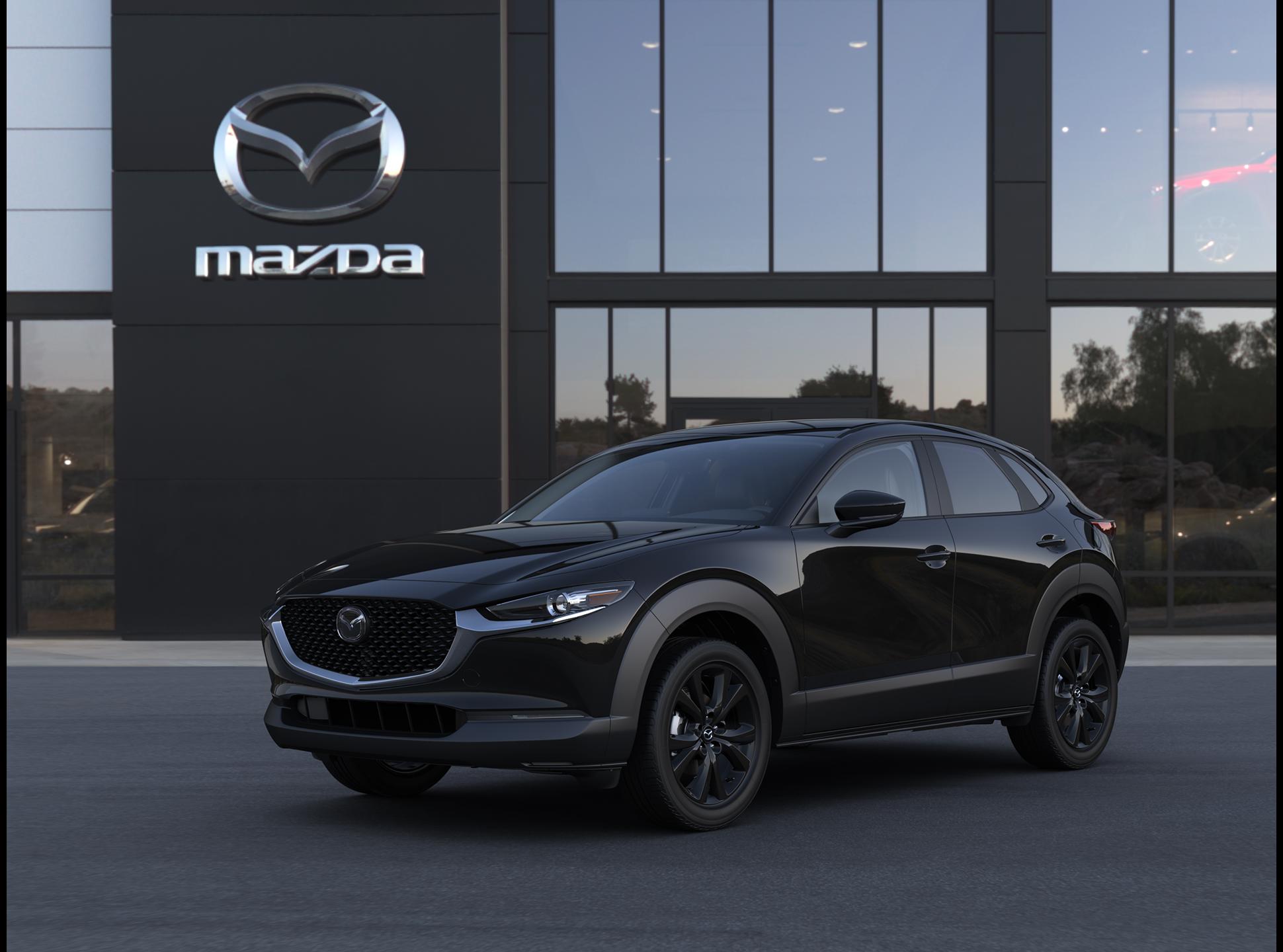
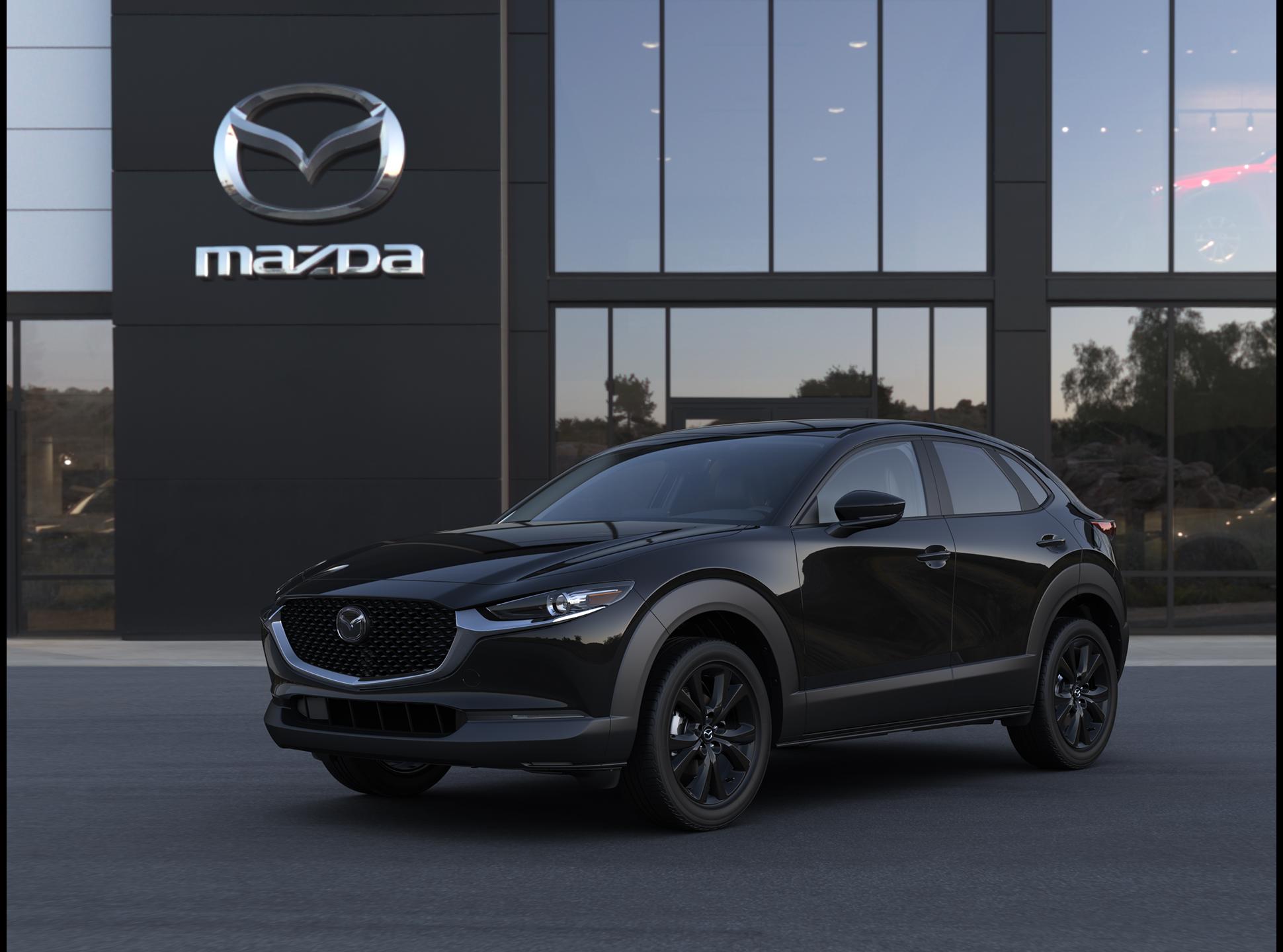
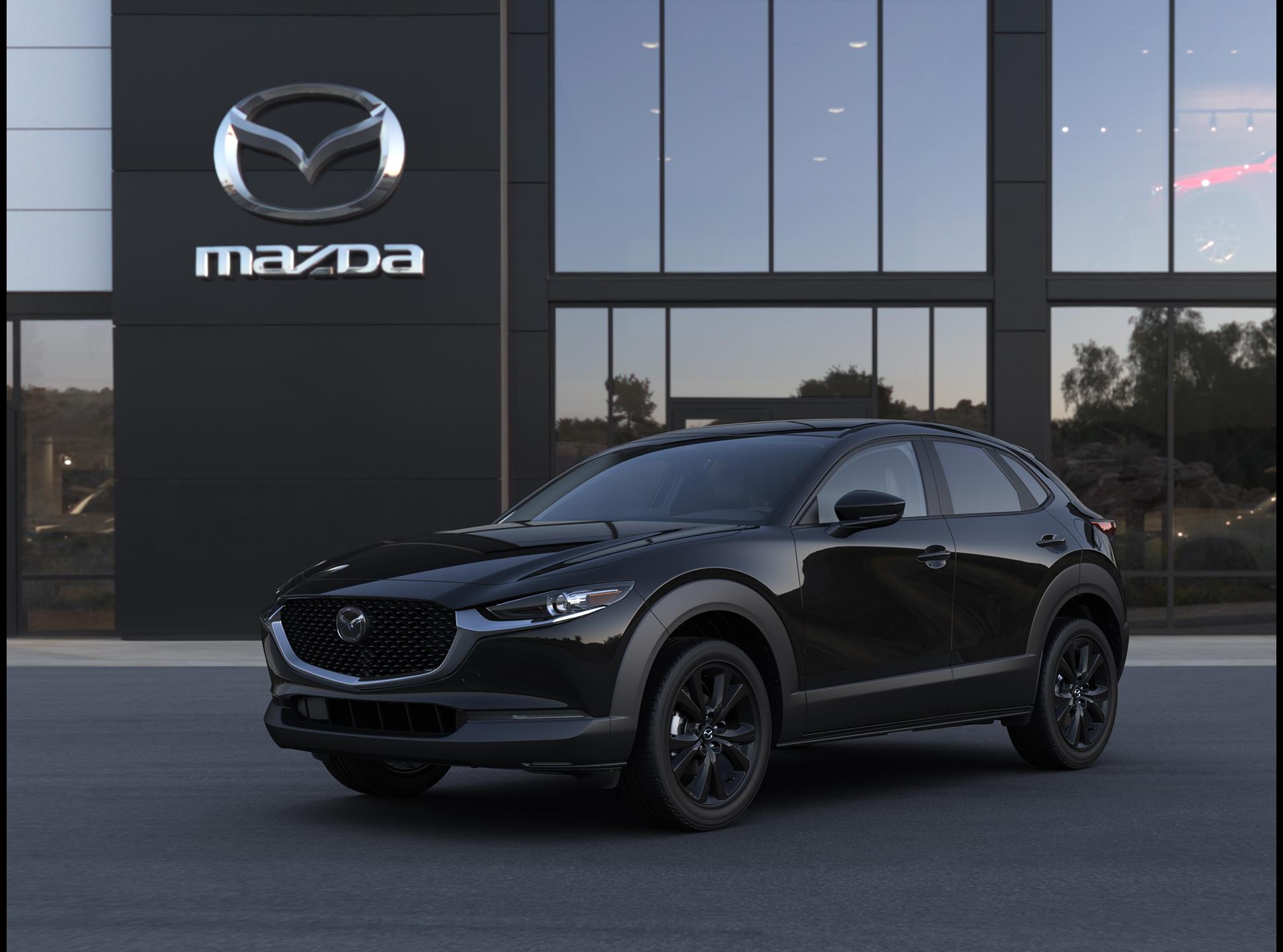
Frequently Asked Questions About the Mazda CX-30 near Summerville, SC
Is the CX-30 too small to count as a real SUV?
That depends on what you wanted an SUV for. You get the raised seating position, the tall rear opening, and easy access to the back seats, which is most of what people actually use one for. What you do not get is the cargo volume of something a class larger, and that is the honest trade. Buyers who need volume above everything should look a size up and save themselves the disappointment.
How does it compare with the Mazda3?
They are close relatives, so the difference is mostly how you sit and how you load. One of them lifts you and the load floor upward and opens taller at the back; the other sits lower and feels a shade sharper through a bend. Try both in one visit and the choice more or less makes itself. Nearly everybody arrives leaning one way and leaves having either changed their mind or had it confirmed.
Does the interior really feel better than the price suggests?
That is the most common reaction on a first drive, and it tends to hold up rather than fade. The materials your hands land on are chosen carefully and the switchgear is physical where it ought to be. Sit in one before you shortlist anything else in the class. Ten minutes in the driver seat is worth more than a whole evening spent with comparison articles.
Will it fit an older garage?
Almost always, and it is among the more common reasons people land on this one. Around Summerville there are plenty of houses where a larger crossover has to be reversed in carefully, and this is the size at which you stop thinking about it. Measure once and you will know for certain. Bring the object itself rather than its dimensions, because an aperture defeats loads that a tape measure says should fit.
Is it comfortable on a longer drive?
More so than the footprint suggests. The driving position is properly worked out and the seat supports you where it should, which is what actually decides comfort across an hour. Push for a test route with some real mileage on it instead of a lap of the lot. A few miles of US-17A tells you what the car is like to live with in a way no showroom floor can.
Have Additional Questions?
CX-30 questions almost always come down to space: whether there is enough, and where it went.
Say what goes in the back and how regularly, and you will get specifics instead of reassurance.
If the CX-5 is the better fit for your week, Stokes Mazda will point you at that instead.
Where a Subcompact Crossover Actually Wins
The CX-30 exists for buyers who wanted an SUV seating position and none of the length that normally arrives with it. You sit up, the rear opening is tall, and loading a child or a dog into the back involves no stooping. None of that requires the footprint of something a class bigger.
The advantage shows itself in the places nobody photographs. Parallel spaces on an older street, a garage built when cars were narrower, and the tight corner of a lot where larger crossovers give up all favor a shorter vehicle.
- A raised seating position and a tall rear opening are what most people actually wanted from an SUV, and both arrive here without the extra length
- Older garages and narrow driveways were sized long before crossovers grew, and a shorter vehicle turns those from a maneuver into a non event you stop thinking about within a week
- Loading a child seat or a dog is easier at this height than in a low car, which is the practical reason a great many small SUVs get bought
What you give up is cargo volume behind the rear seat. It handles a full grocery run, a couple of suitcases, or a stroller without argument, and it will not swallow flat pack furniture. Knowing that in advance heads off the disappointment.
Load the back with whatever you usually haul around before committing to either one. One minute of loading tells you more than any published cargo figure. Sellers expect you to sit in the front and look at the paint, and very little else.
A Cabin That Does Not Feel Like an Entry Vehicle
The interior is the reason a lot of CX-30 buyers stop shopping. Mazda spends its money on the surfaces you touch, which is an unusual choice in this class and an obvious one the moment you sit down. Switchgear is physical where your hand expects to find it.
It also wears well over time. Materials picked for how they feel on day one often look tired within a few years, and this cabin tends not to. Owners coming back for a second one usually mention that before anything else.
- The money goes into the surfaces your hands actually touch, which is not where most vehicles in this class choose to spend theirs, and you notice it every single time you get in
- Physical controls for climate and volume stay easier to use while driving than a menu buried inside a screen, and Mazda has kept them where a hand expects to find them without looking down
- Ask to sit in one that has covered some genuine distance if that is possible, because how a cabin ages counts for more than how it looks new
Quietness is part of the same story. A small vehicle usually announces every surface it drives across, and this one stays more settled than the size suggests. It matters most on a longer drive, where road noise is what wears you down.
Spend ten minutes in the driver's seat with the engine off before you drive anywhere. You learn a surprising amount sitting still. Every hour you will spend in this car is spent in that seat looking at those surfaces.
Who Ends Up Choosing One
Three groups buy most of these and they arrive for completely different reasons. Households downsizing after the children have gone want everything the larger vehicle gave them except the length. First time buyers want something that feels considered instead of cheap.
The third group is households adding a second vehicle. Something small, easy to park, cheap to run, and pleasant enough that whoever draws the short straw does not feel punished.
- Households downsizing once the children have left want the seating position and the easy access without the parking penalty attached to it, which is a more specific request than it first appears
- First time buyers gravitate toward a cabin that feels considered, since the interior is where anybody actually spends their ownership, and a screen is no substitute for a surface that feels right
- Insurance on a subcompact usually sits below the class above it, which quietly matters on a vehicle bought as an extra rather than a necessity
What the three have in common is that none of them needs a large vehicle and all of them wanted something better than the cheapest thing available. That is a narrower brief than it sounds. The CX-30 answers it directly.
Say which of those describes you and the conversation gets shorter. The trim that suits a second vehicle is rarely the one that suits somebody downsizing. Buying the wrong end of the range is how people end up disappointed by a perfectly good car.
The CX-30 Against the Mazda3
These two are close relatives and buyers cross shop them constantly. The differences that matter are how high you sit, how the back opens, and how the car feels through a corner, in roughly that order.
The CX-30 raises the seat and the load floor and gives you a taller tailgate opening. The Mazda3 sits lower, feels a shade more direct, and hides your luggage behind a smaller aperture.
- Seat height and tailgate shape are the practical differences between the two, and both get settled in about a minute of sitting in each, long before anybody needs to discuss a trim level
- The lower car feels marginally more direct through a corner while the taller one is easier to climb in and out of every single day
- Anybody lifting things in and out regularly should load both, since the difference in floor height reads as small on paper and obvious in use
There is no right answer to this in the abstract. Buyers with a bad back, small children, or a dog usually settle on the CX-30 within minutes. Buyers who mostly drive alone and enjoy driving often go the other way.
Have Stokes Mazda stand the two side by side for you. The gap is genuine, and feeling it takes seconds where describing it takes paragraphs. A fair number of buyers arrive certain of one and leave in the other.
Driving a Small SUV Around Summerville
The historic streets downtown are the clearest argument for something this size. They were laid out long before anybody planned for two vehicles per household, and the parking reflects that on any busy afternoon.
Azalea Park and the streets around it fill up quickly whenever the weather is good. A vehicle that drops into a space without a three point maneuver changes how willing you are to go at all.
- The older streets downtown were laid out well before households kept two vehicles, and parking there rewards anything short ahead of anything else you might value in a vehicle
- Errands along US-17A break down into constant stopping and pulling away again, which is exactly the driving a smaller lighter vehicle handles most cheaply across a year of ordinary errands
- A vehicle you are willing to take downtown on a busy Saturday gets used more, and that is a genuine argument for the smaller crossover
Summerville has grown outward faster than its center has changed, which leaves a lot of drivers doing both kinds of journey. A newer road on the edge of town in the morning and a narrow street downtown in the afternoon.
Take one through the middle of town instead of around the edge of it. That is where the size either earns its keep or does not. A bypass flatters every vehicle ever built and settles nothing at all.
Come to Stokes Mazda, park one on a street you actually use, load the back with your own things, and see whether the smaller crossover covers your week.