Know When It's Time for Brake Service: A Driver's Guide
Learn the warning signs that indicate it's time for brake service, how often to replace brakes, and tips to extend brake life for safer driving.
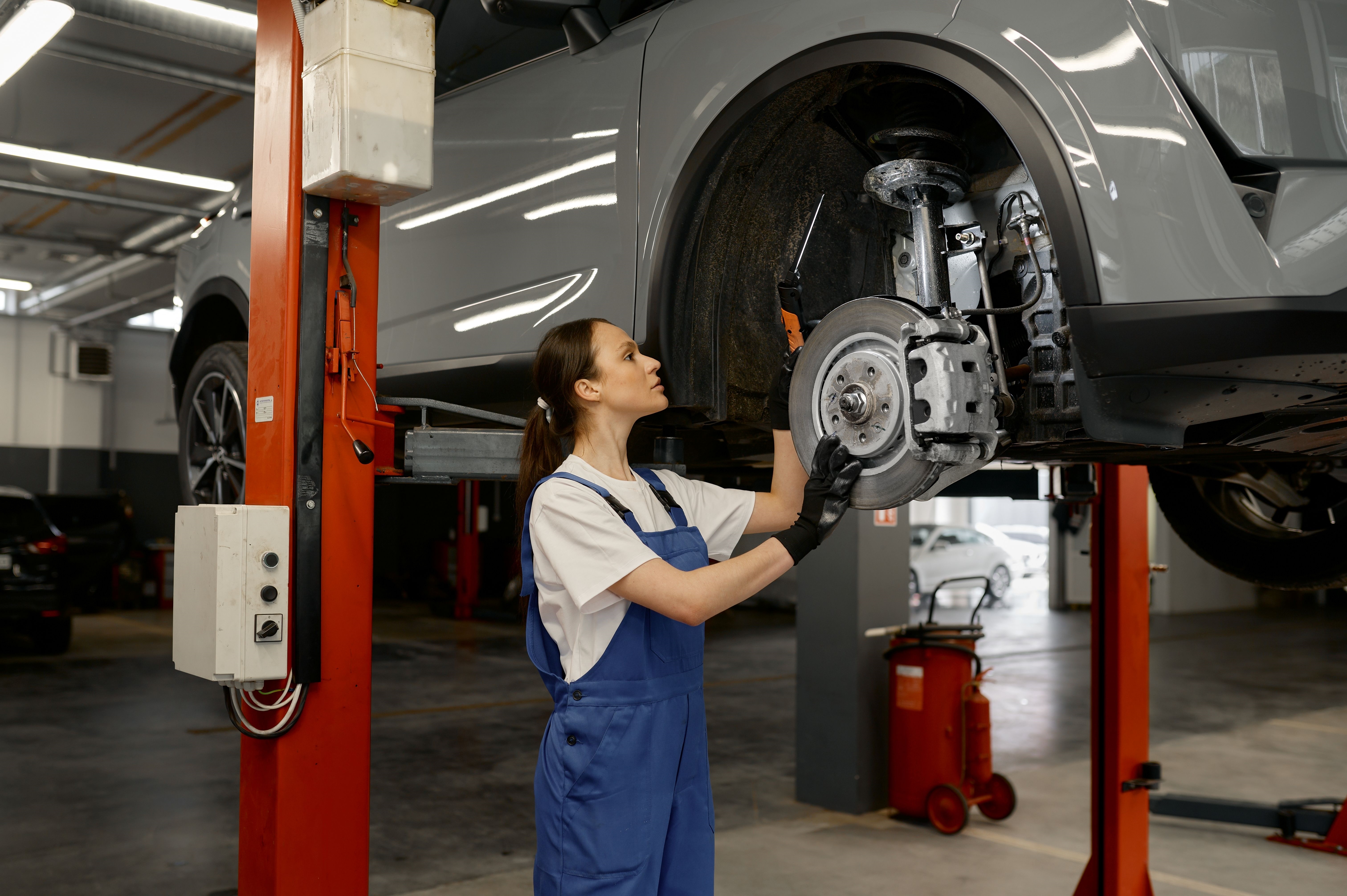
Your brakes are arguably the most critical safety feature on your vehicle. They're what stand between you and potential accidents, making their proper maintenance essential for your safety and the safety of others on the road. Yet many drivers ignore the warning signs that their brakes need attention, often waiting until they hear that dreaded grinding sound before taking action.
Understanding when your brakes need service can save you money, prevent more extensive damage, and most importantly, keep you safe. This guide will help you recognize the warning signs, understand replacement intervals, and learn how to extend the life of your brake system. And if you need quality brake service in North Charleston, SC, you can schedule it at Stokes Mazda.
How Often Should You Replace Your Brakes?
The frequency of brake replacement depends on several factors, including your driving habits, the type of vehicle you drive, and the conditions you typically encounter on the road.
General Replacement Guidelines
Most brake pads should be replaced every 25,000 to 70,000 miles, though this range can vary significantly. City drivers who frequently stop and go in traffic typically need brake service more often than highway drivers who maintain steady speeds.
Brake rotors generally last longer than pads, usually requiring replacement every 50,000 to 70,000 miles. However, rotors can sometimes be resurfaced rather than replaced, depending on their condition and thickness.
Factors That Affect Brake Lifespan
Your driving style plays a major role in brake wear. Aggressive drivers who brake hard and frequently will need service more often than those who brake gradually and anticipate stops. Additionally, driving in mountainous areas or towing heavy loads puts extra strain on your brake system.
The quality of your brake components also matters. Premium brake pads and rotors typically last longer than budget options, though they come with a higher upfront cost. Weather conditions, such as frequent rain or snow, can also accelerate brake wear due to increased moisture and road salt exposure.
Signs It Is Time to Replace Your Brakes
Your vehicle will give you several warning signs when your brakes need attention. Learning to recognize these indicators can help you address issues before they become dangerous or more expensive to fix.
Audio Warning Signs
The most common sign of brake trouble is squealing or squeaking when you apply the brakes. This high-pitched sound typically indicates that your brake pads have worn down to the point where the wear indicators are touching the rotors. This is an early warning system designed to alert you before the pads are completely worn out.
Grinding sounds are more serious and indicate that your brake pads are completely worn and the backing plates are making contact with the rotors. This metal-on-metal contact can cause significant damage to your rotors and should be addressed immediately.
Visual Indicators
You can often inspect your brake pads through the wheel spokes. If the pad material appears to be less than a quarter-inch thick, it's time for replacement. Additionally, if you notice grooves or scoring on the rotor surface, this could indicate worn pads or other brake system issues.
Brake fluid levels can also provide clues about your brake system's health. Low brake fluid might indicate worn brake pads or a leak in the system. The fluid should be clear or slightly amber in color; dark, dirty fluid suggests it's time for a brake fluid change.
Performance Changes
Changes in how your brakes feel and respond can signal problems. If your brake pedal feels spongy or soft, travels further to the floor than usual, or requires more pressure to stop the vehicle, these could indicate worn brake pads, air in the brake lines, or brake fluid issues.
Vibrations through the brake pedal or steering wheel when braking often indicate warped rotors. This can happen due to excessive heat from heavy braking or uneven wear patterns.
Dashboard Warning Lights
Modern vehicles are equipped with brake warning lights on the dashboard. If your brake warning light illuminates, it could indicate several issues, including low brake fluid, worn brake pads, or problems with the brake system's hydraulic components.
Some newer vehicles also have brake pad wear sensors that will trigger a specific warning light when the pads need replacement. Don't ignore these warnings, as they're designed to alert you before the situation becomes dangerous.
How to Expand the Lifespan of Your Brakes
Proper maintenance and driving habits can significantly extend the life of your brake system, saving you money and ensuring optimal performance.
Smart Driving Techniques
Anticipating stops and braking gradually puts less stress on your brake system than sudden, hard stops. When approaching a red light or stop sign, begin slowing down early rather than waiting until the last moment.
Avoid riding your brakes, especially when going downhill. Instead, use engine braking by downshifting (in manual transmissions) or using your vehicle's sport mode (in automatics) to help slow the vehicle without relying solely on the brakes.
Regular Maintenance Practices
Having your brakes inspected regularly, even when they seem to be working fine, can help catch problems early. Most brake inspections are quick and inexpensive, especially compared to the cost of major brake repairs.
Keep your brake fluid fresh by having it changed according to your vehicle manufacturer's recommendations, typically every two to three years. Fresh brake fluid maintains proper hydraulic pressure and prevents corrosion in the brake system.
Environmental Considerations
Whenever possible, avoid driving through deep puddles or flooding, as water can reduce brake effectiveness temporarily. If you must drive through water, gently apply the brakes afterward to help dry them out.
During winter months, have your vehicle washed regularly to remove salt and other corrosive materials that can damage brake components. Pay special attention to the undercarriage where brake lines and components are located.
Schedule Brake Service in North Charleston, SC
Regular brake maintenance is an investment in your safety and your vehicle's longevity. By staying alert to the warning signs and following proper maintenance practices, you can ensure your brakes perform reliably when you need them most.
Don't wait for problems to develop. If you've noticed any of the warning signs mentioned in this guide, or if it's been a while since your last brake inspection, schedule a service appointment today. The experienced technicians at Stokes Mazda in North Charleston, SC, can provide comprehensive brake inspections and service to keep your vehicle safe and reliable on the road.
Remember, when it comes to brake safety, it's always better to be proactive rather than reactive. Your brakes are too important to ignore, and proper maintenance will give you peace of mind every time you get behind the wheel.